Fall brings cooler mornings, wetter roads, and shorter days. It’s also a good time to check how your motorcycle has held up after a summer of commuting, weekend rides, and longer trips.
Whether you plan to keep riding or put your bike away for winter, a thorough fall motorcycle maintenance check can help you spot wear, investigate warning lights, and take care of overdue service items.
Start with the components that affect safe riding, then work through routine maintenance and any problems you’ve noticed. Keep a record of what you inspect and repair—it will make future troubleshooting and spring preparation easier.
Use this checklist alongside your owner’s manual. Fluid specifications, adjustment procedures, and service intervals should always follow the requirements for your motorcycle.
1. Check Cold Tire Pressure and Tire Condition
Don’t assume the tire pressures you checked during summer are still correct. Measure them again when the tires are cold, using a reliable gauge.
Set pressures according to your motorcycle manufacturer’s recommendations for your load and riding conditions. The maximum pressure printed on the tire sidewall is not your bike’s recommended everyday setting. Michelin’s tire pressure guidance also recommends using the cold pressures listed in the owner’s manual or on the motorcycle’s information label.
While checking pressure, inspect both tires for:
- Tread worn close to the wear indicators.
- Cracks, bulges, or cuts in the sidewalls.
- Embedded objects or uneven wear.
- Repeated pressure loss.
- Damaged valve stems.
Wet leaves, standing water, and road debris can make autumn riding more demanding. Avoid lowering tire pressure to try to improve wet-weather grip. Keep your tires within the manufacturer’s specifications and adjust your speed and following distance to suit the conditions.
2. Inspect the Brakes and Pay Attention to Changes in Feel
A brake inspection involves more than checking whether a warning light is on.
Follow your owner’s manual to inspect brake pad thickness, rotor condition, and brake fluid level. Look for signs of leaks around the hoses, fittings, and calipers.
Think about how the brakes have felt on recent rides:
- Has lever or pedal travel changed?
- Does braking feel unusually soft or less effective?
- Is there new vibration, persistent noise, or dragging?
- Does the ABS warning light remain on after the normal self-check sequence?
If the brake fluid level drops unexpectedly, investigate the cause rather than simply topping it up. Pad wear, leaks, and other issues need different responses.
Have reduced braking performance, visible leaks, or an unusual lever or pedal feel checked before riding again.
On supported motorcycles, a compatible diagnostic scanner can help retrieve ABS fault information. It cannot replace a physical inspection of the pads, rotors, or hydraulic system.
3. Check the Battery Before Cold Starts Become a Problem
Cooler weather can make an already weak battery more noticeable. Slow cranking, an instrument display that resets during starting, or difficulty starting after a few days parked are all reasons to investigate.
Begin with a visual inspection:
- Check battery terminals for looseness or corrosion.
- Look for damaged cables or ground connections.
- Inspect the battery case for swelling, cracks, or leaks.
- Consider whether accessories such as trackers or cameras draw power while the bike is parked.
Don’t replace the battery based on a single voltage reading. Battery condition, cable connections, charging-system performance, and electrical drain while parked can all affect starting.
If you expect to ride less often, follow the battery manufacturer’s instructions for charging and storage. Choose a charger that supports your battery’s chemistry; lead-acid and lithium batteries may require different charging methods. Yuasa’s battery maintenance and storage guide provides further guidance for its batteries.
A motorcycle diagnostic tool may display voltage-related data where supported, but it does not replace a dedicated battery tester.
4. Clean and Inspect the Final Drive
For chain-driven motorcycles, check chain slack, lubrication, corrosion, and sprocket wear. After wet rides or washing, inspect the chain and lubricate it as directed by the chain manufacturer.
When measuring or adjusting slack, follow your motorcycle’s specified procedure, including how the bike should be supported and where the measurement should be taken. A tighter chain is not necessarily a better-adjusted chain.
Turn the engine off before cleaning or lubricating the chain. Use products suitable for your chain type, and keep cleaners and lubricants away from tires and braking surfaces.
If your motorcycle uses a belt or shaft drive, follow its specific inspection and maintenance requirements. Chain-care procedures should not be applied to a belt-drive system.
5. Review Engine Oil, Coolant, and Other Fluids
Fall motorcycle maintenance doesn’t mean replacing every fluid automatically. Check the service history and compare it with the time and mileage intervals in your owner’s manual.
For engine oil, check the level using the correct procedure and look for leaks. Oil color alone is not a reliable guide to whether a change is due. Don’t switch to a different viscosity simply because the weather is getting colder; use an approved specification for your motorcycle and operating conditions.
On liquid-cooled bikes, inspect the coolant level, hoses, and connections. If freezing temperatures are likely, confirm that the coolant provides the protection required for your climate.
Let the engine cool before inspecting the cooling system as directed in the manual. Never open a pressurized coolant cap while the system is hot.
If fluid levels keep falling or you notice fresh spots beneath the motorcycle, find the cause rather than treating repeated top-ups as a repair.
6. Test the Lights and Inspect Exposed Electrical Components
With fewer daylight hours, lighting deserves a place on your fall motorcycle maintenance checklist.
Check the low beam, high beam, turn signals, tail light, brake light, and license plate light. Test the brake light using both the front and rear brake controls. Check the horn and mirrors as well.
After washing or riding in heavy rain, look for trapped water or visible damage around accessible wiring, under-seat areas, and aftermarket accessories. Avoid directing high-pressure water at electrical connectors, air intakes, or sealed components.
If an electrical problem appears mainly after rain, record when it happens and what the motorcycle does. Details such as “the warning light appeared after an overnight rain” are more useful for troubleshooting than “it happens sometimes.”
7. Check Electronic Faults and Save the Results
If you’ve recently noticed an engine warning light, an irregular idle, or an intermittent electrical problem, seasonal maintenance is a good opportunity to investigate.
On supported motorcycles, a compatible motorcycle diagnostic scanner can read fault codes and display available live data. This information can help guide further checks.
Before connecting a tool, confirm compatibility with your motorcycle’s model, year, market version, diagnostic connector, and the system or function you need.
Keep a record of:
- The inspection date and odometer reading.
- Fault codes and their displayed status.
- The conditions when the problem occurred.
- Relevant readings or screenshots, where available.
- Any maintenance or repairs completed afterward.
Clearing a fault code does not repair the underlying problem. A code provides a starting point for diagnosis; it does not automatically prove that a named component needs replacement.
Save the information first, investigate the cause, and recheck the motorcycle after the appropriate repair.
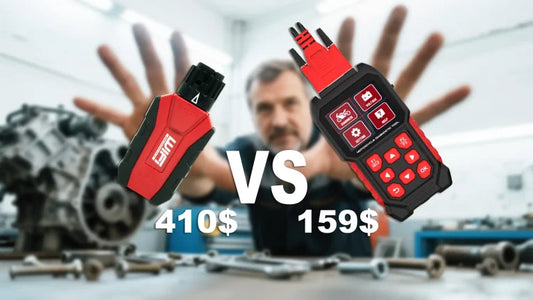
If you’re choosing a scanner, explore the FXTUL M7 motorcycle diagnostic tool. Before ordering, confirm current coverage for your exact motorcycle and required functions, along with the adapter cables included in your selected kit.
8. Decide Whether You’re Preparing to Ride or Store the Bike
Your next steps depend on how you plan to use the motorcycle.
If you’ll continue commuting or taking weekend rides, focus on regular tire-pressure checks, cleaning after wet rides, drivetrain care, and battery maintenance.
If you’re preparing for extended storage, follow the storage procedure in your owner’s manual. Typical preparation includes:
- Cleaning the motorcycle and allowing it to dry thoroughly.
- Arranging battery maintenance appropriate to the battery type.
- Preparing the fuel system for the expected storage period, using a suitable stabilizer where recommended.
- Choosing a dry, ventilated, secure storage location.
- Allowing the bike to cool and dry before fitting an appropriate cover.
- Recording mileage, completed maintenance, and any unresolved issues.
A clear maintenance record gives you a useful reference when it’s time to ride again.
Choose Diagnostic Equipment That Matches Your Motorcycle
A useful fall maintenance routine combines hands-on checks with investigation of any problems you’ve noticed. Tires, brakes, fluids, and the final drive need physical inspection; diagnostic equipment can support checks of compatible electronic systems.
If you need help selecting an FXTUL scanner, have your motorcycle’s make, model, model year, original sales market, and required diagnostic functions ready.
Contact FXTUL through the website to confirm the appropriate tool and check which motorcycle diagnostic adapter cables your bike requires before choosing a kit.
Frequently Asked Questions
Should I change my motorcycle’s oil every fall?
Not necessarily. Follow the manufacturer’s time and mileage intervals, and consider any specific instructions for extended storage. Fall is a useful time to review your service records, but the change of season alone does not mean an oil change is due.
Does slow starting in cold weather mean I need a new battery?
Not always. Low charge, battery deterioration, loose connections, charging-system issues, and other starting problems can produce similar symptoms. Inspect and test before deciding which part needs replacement.
Does my motorcycle need maintenance if there are no warning lights?
Yes. Worn tires, incorrect chain slack, thin brake pads, and some fluid leaks may not trigger a dashboard warning. Routine physical checks remain essential.
Do I need a diagnostic scanner for fall motorcycle maintenance?
You can perform many routine checks without one. A compatible scanner is useful when investigating supported electronic systems, reading fault codes, or reviewing available live data. It complements tools such as a tire-pressure gauge and battery tester.
Can I use any motorcycle diagnostic tool with my bike?
Compatibility varies by model, year, market version, system, and function. Confirm current coverage and the required connector or adapter before purchasing.